Web-Vet TM Neurology Specialists


Cognitive Dysfunction

Recent advances in diagnostic and therapeutic strategies for canine cognitive dysfunction
In this article, the authors review the latest understanding of CCD pathology and discuss new advancements in diagnostic and therapeutic options as well as the outlook of the CCD disorder.

The objective of this study was to describe the current diagnostic and management practices regarding CCDS by veterinarians in the United States.
A total of 318 survey responses were obtained from veterinarians who saw companion dogs regularly. Nearly all (97.2%) had made a diagnosis of CCDS in their career, citing patient history and clinical signs/ behavioral changes as the tools they use to make a diagnosis. Most veterinarians (approximately 80%) rarely or never referred their potential CCDS cases to a veterinary specialist. When managing their CCDS patients, pharmaceuticals are most often recommended, specifically selegiline. Selegilline was also considered most effective in managing CCDS, however this view was held by only about 30% of veterinarians. Responses reflected uncertainty regarding best practices and treatment efficacies, with veterinarians citing lack of knowledge and owner-related barriers such as lack of interest or financial constraints as factors which hinder treatment recommendations.

Age-Related Brain Atrophy and the Positive Effects of Behavioral Enrichment in Middle-Aged Beagles
This study examined the effects of chronic treatment with the calcineurin inhibitor (CNI) tacrolimus or the nuclear factor of activated T cells (NFAT)-inhibiting compound Q134R on age-related canine brain atrophy from a longitudinal study in middle-aged beagles (36 females, 7 males) undergoing behavioral enrichment. Annual MRI was analyzed using modern, automated techniques for region-of-interest-based and voxel-based volumetric assessments. The study found that the frontal lobe showed accelerated atrophy with age, while the caudate nucleus remained relatively stable. Remarkably, the hippocampus increased in volume in all dogs. None of these changes were influenced by tacrolimus or Q134R treatment. The results suggest that behavioral enrichment can prevent atrophy and increase the volume of the hippocampus but does not prevent aging-associated prefrontal cortex atrophy.
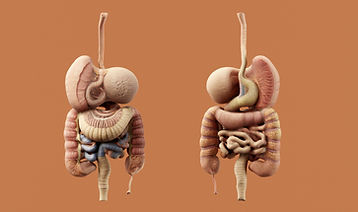
The goals of this review article are to provide an overview of the mechanisms involved in dysbiosis-associated cognitive decline and the role of FMT in therapy for such decline. The potential role of FMT in CCD is also discussed.
Canine cognitive dysfunction (CCD) is the dog version of human Alzheimer’s disease (AD), and it has strikingly similar pathological features to those of this neurodegenerative disorder. The gastrointestinal system is in constant communication with the brain through several conduits collectively referred to as the gut–brain axis. The microbial population of the gut, referred to as the microbiota, has a profound effect on the interactions that occur along this communication route. Recent evidence suggests that dysbiosis, an abnormal gastrointestinal microbial population, is linked to cognitive impairment in rodent AD models and human AD. There is also evidence from rodent AD models that correcting dysbiosis by transferring fecal material from healthy donors to the gastrointestinal tracts of cognitively impaired recipients [fecal microbiome transplantation (FMT)] reverses AD-associated brain pathology and improves cognitive function. Although limited, some clinical reports have described the improvement of cognitive function with FMT in human AD.

This study aimed to examine changes in the BBB permeability using magnetic resonance imaging (MRI) in dogs with CCD compared to a control group. It was hypothesized that changes in BBB permeability would be detected and quantified using MRI-based subtraction enhancement analysis. However, mean BBB dysfunction scores did not differ significantly between the study and control groups. BBB dysfunction was present in a few cases of CCD, but not in all so it may be that BBB dysfunction occurs only in a subpopulation of CCD patients.

Thoracic limb stride length is associated with cognitive impairment in aging dogs
This study examined whether height-adjusted stride length is associated with owner-reported cognitive impairment in aging companion dogs.
Eighty-eight dogs were enrolled. Height adjustment reduced the influence of body size on stride length. Thoracic limb height-adjusted stride length decreased significantly with age, whereas pelvic limb stride showed no significant age-related association. Although CADES scores increased with age, their association with stride length persisted after adjustment for age and pain, while age alone was not a significant predictor in the multivariable model. Intra-observer and interobserver reliability for stride length measurements were excellent.

Diagnosis of Canine Cognitive Dysfunction Syndrome: A Narrative Review
The aim of this article is to give a general overview of the clinical procedures, tests, markers and protocols which researchers have proposed so far as valid elements for diagnosing this subtle disease, even if more studies are needed. The early individualization and the application of the correct treatment are crucial factors for animals’ and humans’ wellness.

Nutritional Intervention for Canine Cognitive Dysfunction
Cognitive dysfunction syndrome (CDS) affects older dogs and cats which typically show chronic progressive behavioural abnormalities. Cognitive performance follows similar age-related trajectories across dog breeds, despite remarkable variation in developmental rates and lifespan. The prevalence of CDS in dogs 11 to 12 years old is estimated to be approximately 28%, and is 68% in dogs 15 to 16 years of age. In a 2-year prospective longitudinal study of dogs more than 8 years of age, 33% of dogs with normal cognitive status progressed to mild cognitive impairment, and 22% of dogs with mild cognitive impairment progressed to CDS.
Recent work suggests that simple preventive measures against CDS may be generally advisable in pet dogs and cats as they near middle age rather than waiting until obvious clinical signs are present. Environmental enrichment can have positive effects on behavioural health and quality of life in pets and is likely to improve cognitive function. The role of nutrition for the therapy of this disorder is ongoing - this review article helps explain what nutritional intervention can help these pets.

Investigating Owner Use of Dietary Supplements in Dogs with Canine Cognitive Dysfunction
The aim of this study was to investigate owner use of dietary supplements (DSs) in dogs with age-related behavioral changes. An observational study based on an online questionnaire for owners of dogs with age-related behavioral changes was performed. Out of a total of 394 owners who completed the survey, over half of the dogs received DSs (54%), whereas only 8% reported changing their dog's base diet. The most used DS was fish oil (48%). The use of DSs should be discussed with and monitored by veterinary surgeons since many geriatric patients have multi-morbidities.

Changes of Magnetic Resonance Imaging on the Brain in Beagle Dogs with Aging
Age-associated changes of magnetic resonance imaging (MRI) on the brain were evaluated in 19 beagle dogs aged from 8-month- to 16-year-old. A significant correlation of the volume of lateral ventricle space was observed in the dogs with age advanced, however, no correlation was found between hippocampus size and the aging. T2-weighted hypointense areas were detected in globus pallidus and substantia nigra with a significant correlation of both intensity ratios to lateral ventricle with age. These areas coincided with the accumulation of iron in the slice of the brain on histopathology. In addition, hyperintense areas, suggesting perivascular demyelination with fluid-filled space, were also observed in white matter surrounding the lateral ventricle on T2-weighted MRI. These results suggested that age-associated changes of T2-weighted MRI are seen in the dog brain, especially in globus pallidus, substantia nigra, and white matter surrounding lateral ventricle, like as those reported in the human brain.

The aim of this study was to compare the results of three different standard screening questionnaires [Canine Dementia Scale (CADES), Canine Cognitive Assessment Scale (CCAS), and Canine Cognitive Dysfunction Rating Scale (CCDR)] for CCD diagnosis. Trainability, pain sensitivity, and fear were additionally assessed with the Canine Behavioral Assessment and Research Questionnaire (C-BARQ) in order to evaluate associations between the three dementia scales and behavior.
Data from 597 dogs were analyzed. Overall, the scores of the three CCD questionnaires correlated well with each other, especially those of the CADES and CCAS. The CADES was more sensitive in identifying dogs with already mild to moderate cognitive impairment, while the others classified them as still undergoing normal aging. CCD scores increased for all questionnaires with age with spatial orientation being a key feature in CCD development. Trainability assessed with the C-BARQ decreased significantly with severity of CCD signs, while pain sensitivity increased. Fear and anxiety was pronounced in animals with mild but not with severe CCD. These associations based on the C-BARQ were more clearly observable in relation to CADES and CCDR than CCAS.